News
Latest valve and structural heart intelligence
Filter by Source
Filter by Tag
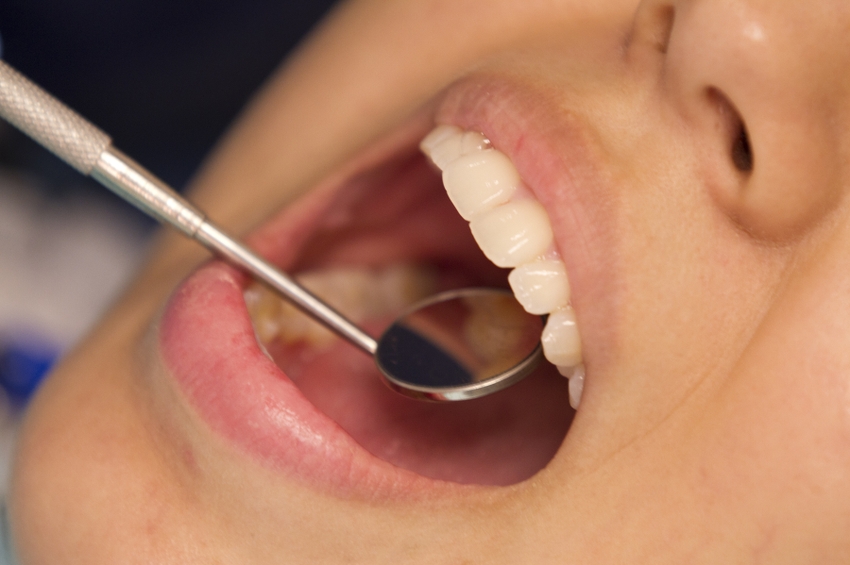
Bacteria from gum disease may cause inflammation, harden heart valves
Preliminary research presented at AHA Basic Cardiovascular Sciences 2026 identified a potential mechanistic link between Porphyromonas gingivalis bacteria from periodontal disease and calcific aortic valve stenosis (CAVS) through calcium deposition in aortic valve tissue. The lab study used mouse and human cardiac tissue to investigate the biological pathway connecting chronic gum infection to valve calcification.
Digest: This early-stage research suggests periodontal disease treatment could represent a novel preventive strategy for CAVS, a condition with no current pharmacologic therapies to prevent or slow progression prior to requiring valve replacement.
Advancing Quality in the Evaluation, Surveillance, and Management of Aortic Stenosis: A Report From the AHA Target: AS Registry
The American Heart Association published a report from the Target: AS Registry examining quality metrics for evaluation, surveillance, and management of aortic stenosis patients. The registry aims to establish benchmarks and identify gaps in AS care delivery across participating centers.
Digest: This AHA registry provides standardized quality measures that can guide institutional protocols for AS patient management and inform appropriate timing for intervention referrals.
How expert guidelines have influenced TAVR vs. SAVR decisions
The article discusses how expert clinical practice guidelines have shaped decision-making between transcatheter aortic valve replacement (TAVR) and surgical aortic valve replacement (SAVR). Specific data or findings are not provided in the submitted article content.
Digest: Guideline recommendations directly influence treatment algorithms and patient selection criteria, affecting procedural volumes, reimbursement patterns, and competitive positioning in the structural heart market.

Scientific researchers awarded $15 million to study heart valve disease
The American Heart Association awarded $15 million to three research centers (Mass General Brigham, Cincinnati Children's Hospital, and University of Pittsburgh) to establish a Strategically Focused Research Network on Earlier Detection and Delaying Progression of Valvular Heart Disease. The four-year initiative addresses a growing global health burden affecting over 80 million people worldwide and contributing to more than 57,000 deaths annually in the U.S.
Digest: This dedicated funding network may accelerate discovery of biomarkers and diagnostic tools for pre-symptomatic valve disease detection, potentially expanding the treatable patient population before irreversible cardiac remodeling occurs.

Loneliness linked to increased risk of degenerative heart valve disease
A study published in JAHA found that adults reporting loneliness had increased risk of developing degenerative valvular heart disease, independent of traditional cardiovascular risk factors and genetics. Unhealthy lifestyle behaviors (smoking, excessive alcohol, inactivity) appeared to mediate the association, while objective social isolation metrics (living alone, low contact frequency) were not associated with increased risk.
Digest: This identifies loneliness as a potentially modifiable risk factor for degenerative valve disease, which may inform preventive strategies and patient screening approaches as populations age and structural heart disease prevalence increases.