News
Latest valve and structural heart intelligence
Filter by Source
Filter by Tag
TAVR with a Trilogy valve shows promise for LVAD patients with AR
TAVR using the Trilogy valve demonstrated feasibility for treating aortic regurgitation in patients with left ventricular assist devices. The study represents a novel application of transcatheter techniques in a complex patient population with limited treatment options.
Digest: Addresses an unmet clinical need for LVAD patients who develop AR, a complication that complicates device management and has traditionally required high-risk open surgery.

Device shows benefit in severe tricuspid regurgitation
The CLASP II TR trial randomized 450 patients with symptomatic severe tricuspid regurgitation to transcatheter tricuspid valve repair with the Pascal Precision system (Edwards Lifesciences) versus optimal medical therapy alone. At 1 year, the device improved health status and reduced TR severity compared with medical therapy, though no significant difference was observed in mortality or heart failure hospitalization.
Digest: This represents the first randomized controlled trial data for the FDA-approved Pascal Precision system in tricuspid regurgitation, providing evidence for transcatheter intervention in a valve position historically undertreated and associated with poor outcomes.

TAVR benefits high-risk patients with moderate aortic stenosis
The PROGRESS trial demonstrated that TAVR with a balloon-expandable valve reduced the risk of death or heart failure events at 2 years compared with clinical surveillance in high-risk patients with moderate aortic stenosis and at-risk features. The primary safety outcome at 30 days occurred in 5.9% of patients, meeting the performance goal, while the primary effectiveness outcome at 2 years occurred in 16.7% of the TAVR group.
Digest: This randomized trial challenges current practice by demonstrating clinical benefit of early intervention in moderate aortic stenosis, potentially expanding TAVR indications beyond severe disease in selected high-risk patients.
Long-term data support durability and sustained outcomes with balloon-expandable TAVR valves
Long-term follow-up data demonstrate sustained performance and structural durability of balloon-expandable transcatheter aortic valve replacement systems. The findings support extended valve longevity beyond initial trial periods.
Digest: Long-term durability data are critical for expanding TAVR into younger, lower-risk patient populations and supporting lifetime management strategies in structural heart disease.
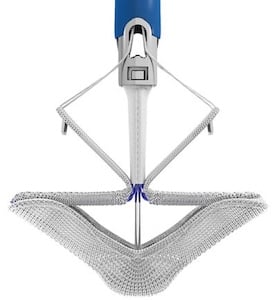
FDA Approves Transcatheter Tricuspid Valve Repair System
The FDA approved Edwards Lifesciences' PASCAL Precision system for transcatheter edge-to-edge repair (T-TEER) in patients with symptomatic severe tricuspid regurgitation at intermediate or greater surgical risk. Additionally, the FDA approved the PASCAL Ace with Capture Clarity system for degenerative mitral TEER, featuring the first fluoroscopic indicators to confirm leaflet capture.
Digest: Edwards becomes the only company offering both transcatheter repair and replacement therapies for mitral and tricuspid valves in the U.S., expanding treatment options for TR patients and introducing novel fluoroscopic confirmation technology to simplify TEER procedures.

FDA approves new tricuspid valve repair system
The FDA approved Edwards Lifesciences' PASCAL Precision system for transcatheter tricuspid valve repair in patients with symptomatic severe tricuspid regurgitation at elevated surgical risk despite optimal medical therapy. Approval was based on 1-year results from the CLASP TR trial of 65 patients demonstrating significant improvement in tricuspid regurgitation severity with durable outcomes.
Digest: This approval expands the transcatheter treatment options for severe tricuspid regurgitation in the US market, addressing a historically underserved patient population with limited therapeutic alternatives.
FDA approves Pascal Precision system from Edwards Lifesciences for tricuspid valve repair
The FDA has approved Edwards Lifesciences' Pascal Precision system for transcatheter tricuspid valve repair. This represents regulatory clearance for Edwards' edge-to-edge repair platform to treat tricuspid regurgitation.
Digest: This approval provides interventional cardiologists with another transcatheter option for treating tricuspid regurgitation, expanding the competitive landscape in the emerging TTVR market.
FDA shares warning about Edwards Lifesciences heart valve tech after patient death
The FDA issued a safety warning regarding Edwards Lifesciences heart valve technology following a patient death. The agency is alerting healthcare providers and patients about potential safety concerns associated with the device.
Digest: FDA safety communications regarding transcatheter heart valve platforms can impact clinical decision-making, device utilization patterns, and inform risk-benefit discussions with patients undergoing valve interventions.

FDA Approves Surgical Pulmonary Valve for Pediatric Patients
The FDA approved Edwards Lifesciences' AUTUS Size-Adjustable Valve, the first surgical pulmonary valve designed for pediatric congenital heart disease patients that can be expanded transcatheter as the child grows. The pivotal study met primary endpoints with 100% freedom from device-related complications at 30 days, no reinterventions at 6 months, and at 1 year all patients maintained RVOT mean gradients ≤40 mmHg with less than moderate pulmonary regurgitation.
Digest: This approval addresses a significant unmet need in pediatric congenital heart disease by potentially reducing the number of repeat open-heart surgeries through transcatheter valve expansion, representing a paradigm shift in long-term care planning for this vulnerable population.
FDA approves pediatric pulmonary valve that grows with patients
The FDA approved the Autus Size-Adjustable Valve from Edwards Lifesciences, the first pulmonary valve replacement designed to expand with patient growth, reducing repeat surgeries in pediatric congenital heart disease. The pivotal study of 62 patients aged 18 months to 16 years demonstrated 100% freedom from device-related complications at 30 days, no reinterventions at 6 months, and favorable hemodynamics through 1 year with mean RVOT gradients ≤40 mmHg and less than moderate regurgitation.
Digest: This first-in-class balloon-expandable valve (13-22 mm) with polymeric leaflets addresses a critical unmet need in pediatric congenital valve disease by potentially eliminating multiple open-heart surgeries during childhood growth.
New PARTNER 3 update links TAVR to early benefits over SAVR
New data from the PARTNER 3 trial demonstrate early clinical benefits of transcatheter aortic valve replacement (TAVR) compared to surgical aortic valve replacement (SAVR) in low-risk patients. The updated analysis reinforces TAVR's favorable early outcomes in this patient population.
Digest: These findings support expanding TAVR utilization in low-risk surgical candidates and may influence treatment algorithms and guideline recommendations for aortic stenosis management.
TAVR with Edwards Lifesciences valve for severe AR linked to ‘encouraging’ data
Transcatheter aortic valve replacement using an Edwards Lifesciences valve system demonstrated encouraging outcomes in patients with severe aortic regurgitation. The data suggest TAVR may be a viable treatment option for this traditionally surgical patient population.
Digest: Severe AR has been a relative contraindication for TAVR due to anatomical challenges, and positive data could expand the treatment population and market for Edwards' valve technology.
Self-expanding TAVR valve helps patients with small aortic annuli
The SMART trial's 3-year results showed that self-expanding supra-annular TAVR valves (Evolut platform, Medtronic) demonstrated superior hemodynamics and less thrombosis compared to balloon-expandable valves (Sapien platform, Edwards Lifesciences) in patients with small aortic annuli (≤430 mm²). There was no difference in the composite clinical endpoint of mortality, disabling stroke, or heart failure rehospitalization between groups (self-expanding 25.4% vs balloon-expandable 22.6%; HR 1.13, 95% CI 0.83-1.53, P=0.44).
Digest: These extended follow-up data support the use of self-expanding supra-annular valves for improved hemodynamic performance in small annuli patients, particularly relevant for lower-risk and younger TAVR candidates where long-term valve function is critical.
Redo TAVR with balloon-expandable valves linked to positive outcomes, key improvements
A study demonstrates that redo transcatheter aortic valve replacement using balloon-expandable valves is associated with favorable clinical outcomes and key procedural improvements. The findings support the safety and efficacy of repeat TAVR procedures in patients with failed bioprosthetic valves.
Digest: As the TAVR population ages and device durability becomes critical, establishing safety profiles for redo TAVR with specific valve platforms helps guide treatment decisions for structural valve degeneration.
How TAVR valve implant depth impacts clinical outcomes
TAVR valve implant depth significantly influences post-procedural outcomes including paravalvular leak, conduction abnormalities requiring permanent pacemaker, and coronary obstruction risk. Optimal implantation depth varies by valve platform, with higher implantation generally associated with reduced paravalvular regurgitation but increased pacemaker rates, while deeper implantation may increase coronary occlusion risk particularly in valve-in-valve procedures.
Digest: Precise implant depth optimization is a modifiable procedural factor that directly impacts major TAVR complications and may influence valve selection and procedural planning across risk stratifications.
Resilia tissue developed by Edwards Lifesciences associated with long-term durability
Edwards Lifesciences' Resilia tissue, an integrity preservation technology for bioprosthetic heart valves, demonstrates favorable long-term durability outcomes. The tissue treatment is designed to reduce calcium buildup and improve structural valve deterioration resistance compared to conventional tissue.
Digest: Long-term durability data for Resilia tissue is critical for structural heart professionals evaluating valve choice in younger, lower-risk patients where extended valve longevity directly impacts reintervention rates and lifetime management strategies.
Redo TAVR: Supra-annular, intra-annular valves linked to comparable outcomes
A study comparing outcomes of redo TAVR procedures found no significant differences between supra-annular and intra-annular valve designs. The findings suggest that valve positioning strategy does not substantially impact clinical outcomes in patients requiring repeat transcatheter aortic valve replacement.
Digest: This evidence supports flexibility in valve selection for redo TAVR procedures, potentially influencing procedural planning and device choice in the growing population of patients with failed bioprosthetic valves.