News
Latest valve and structural heart intelligence
Filter by Source
Filter by Tag
Canon launches new TAVR technology to help structural heart programs meet rising demand
Canon has launched new TAVR technology designed to help structural heart programs address increasing procedural demand. No specific clinical data or device specifications were provided in the announcement.
Digest: New imaging or support technology from Canon could enhance procedural efficiency and capacity as TAVR volumes continue to expand across risk categories.
CMS considers covering TAVR for aortic regurgitation
CMS is considering coverage for transcatheter aortic valve replacement (TAVR) in patients with aortic regurgitation. This would represent a significant expansion beyond the current approved indication of aortic stenosis.
Digest: CMS coverage for TAVR in aortic regurgitation would open a new market segment and provide reimbursement for an off-label use that has shown feasibility in selected patients but lacks robust trial data.
Persistent mitral regurgitation after TAVR more common among women than men
Women experience persistent mitral regurgitation following transcatheter aortic valve replacement at higher rates compared to men. This sex-based difference in post-TAVR outcomes suggests potential anatomical or procedural factors affecting mitral valve function differently between sexes.
Digest: Sex-specific differences in post-TAVR complications may influence patient selection, procedural planning, and surveillance protocols for structural heart teams performing TAVR procedures.

Study: Heart Valve Replacement Has Different Risks for Women vs. Men
A study of 1,114 TAVR patients at Karl Landsteiner University identified sex-specific differences in outcomes related to pacemaker implantation following the procedure. Women showed increased vulnerability immediately after new pacemaker implantation post-TAVR, while pre-existing pacemakers in men were associated with long-term risk.
Digest: These findings suggest that sex-specific risk stratification for conduction abnormalities and pacemaker need should be incorporated into pre-procedural TAVR assessment and post-procedural management, particularly as TAVR expands to younger, lower-risk populations.
TAVR timing: Waiting more than 6 months may hurt survival odds
Patients who wait longer than 6 months to undergo transcatheter aortic valve replacement after indication may experience worse survival outcomes. The study suggests timely TAVR referral and performance is associated with improved mortality rates compared to prolonged delays.
Digest: This finding reinforces the importance of streamlined TAVR referral pathways and may influence heart team decision-making regarding procedural timing and patient selection strategies.
Photon-counting CT accurately screens TAVR patients for signs of valve dysfunction
Photon-counting CT has been validated as an accurate screening tool for detecting valve dysfunction in patients who have undergone transcatheter aortic valve replacement. The imaging modality demonstrates improved diagnostic capability for assessing TAVR valve performance during follow-up.
Digest: Advanced imaging tools that can reliably detect early TAVR valve dysfunction are critical for optimizing long-term patient management and surveillance strategies as TAVR extends into younger, lower-risk populations.
Late-breaking clinical trials announced for TCT 2026 in San Diego
TCT 2026 conference organizers have announced the slate of late-breaking clinical trials to be presented in San Diego. The announcement indicates which studies will be featured, though specific trial names and data are not yet disclosed.
Digest: Late-breaking trial announcements at TCT typically include pivotal structural heart studies that influence clinical practice and regulatory decisions in the interventional cardiology field.
Medical societies, aging advocates share early reactions to new TAVR policies
Medical societies and aging advocacy groups have issued initial responses to new CMS coverage policies affecting transcatheter aortic valve replacement. The policy changes appear to modify reimbursement or coverage criteria for TAVR procedures.
Digest: CMS coverage determinations directly impact TAVR access, reimbursement dynamics, and patient selection strategies for structural heart programs nationwide.
CMS finalizes sweeping TAVR changes, including Medicare coverage for asymptomatic patients
CMS finalized a national coverage determination expanding Medicare coverage for transcatheter aortic valve replacement to include asymptomatic patients with severe aortic stenosis. This represents a significant broadening of the Medicare eligible patient population beyond the previous requirement for symptomatic disease.
Digest: This reimbursement expansion substantially increases the addressable market for TAVR and aligns Medicare coverage with current clinical practice patterns and recent trial evidence in asymptomatic severe AS patients.
FDA clears new device for capturing debris during TAVR
The FDA has granted clearance for a new embolic protection device designed to capture debris during transcatheter aortic valve replacement procedures. This device aims to reduce the risk of periprocedural stroke by preventing particulate matter from reaching the cerebral circulation during valve deployment.
Digest: Embolic protection devices address a persistent clinical concern in TAVR, as stroke remains a significant complication affecting 1-3% of procedures and impacting patient outcomes and healthcare costs.
Heart failure before and after TAVR: New data point to ongoing concerns
New data reveal ongoing concerns about heart failure occurrence both before and after transcatheter aortic valve replacement procedures. The findings highlight persistent clinical challenges in managing heart failure in TAVR patient populations.
Digest: Heart failure remains a critical complication affecting TAVR outcomes and patient selection, with implications for pre-procedural optimization and post-procedural surveillance strategies.
TAVR and PCI: When heart patients need both, does the order matter?
The article addresses the clinical question of optimal sequencing when patients require both transcatheter aortic valve replacement (TAVR) and percutaneous coronary intervention (PCI). The content explores whether performing PCI before, during, or after TAVR affects procedural outcomes and patient safety.
Digest: Concomitant coronary artery disease is common in TAVR candidates, and determining the optimal revascularization strategy impacts procedural planning, resource allocation, and patient outcomes for interventional cardiologists.
New TAVR risk score could help predict poor functional outcomes among older patients
A new risk scoring system has been developed to predict poor functional outcomes in older patients undergoing transcatheter aortic valve replacement. The score aims to improve patient selection and prognostication beyond traditional mortality risk assessments.
Digest: This tool could help structural heart teams better identify elderly TAVR candidates at risk for diminished quality of life or functional decline post-procedure, potentially improving shared decision-making and patient selection.
Redo TAVR with self-expanding valves linked to positive early outcomes
A study reports early positive outcomes in patients undergoing redo transcatheter aortic valve replacement procedures using self-expanding valve prostheses. The findings suggest self-expanding valves may be a viable option for treating failed prior TAVR procedures.
Digest: This addresses a growing clinical challenge as the first generation of TAVR patients develop structural valve deterioration requiring reintervention, informing valve selection strategies for redo procedures.
TAVR is safe for patients with large aortic annuli—heart failure remains a concern
A study demonstrates that transcatheter aortic valve replacement is safe in patients with large aortic annuli. Heart failure complications remain an area of concern in this patient population.
Digest: Expands evidence for TAVR applicability in anatomically challenging cases with larger annular dimensions, though persistent heart failure risk may influence device selection and patient management strategies.
Surgery outperforms TAVR in young heart patients, new data confirm
New data demonstrate superior outcomes for surgical aortic valve replacement (SAVR) compared to transcatheter aortic valve replacement (TAVR) in younger patients with aortic stenosis. The findings reinforce current clinical guidance favoring surgery over TAVR in younger, lower-risk patient populations.
Digest: These results support treatment allocation strategies and reinforce age-based selection criteria that impact procedural volumes and market share between TAVR platforms and surgical valve programs.
AI-powered opportunistic screening could help find patients with undetected aortic stenosis
An AI-powered opportunistic screening tool is being developed to identify patients with undiagnosed aortic stenosis using existing imaging data. The technology aims to detect asymptomatic or unrecognized cases by analyzing routine medical scans that were performed for other clinical indications.
Digest: Early detection of aortic stenosis through opportunistic AI screening could identify intervention candidates before symptom onset, potentially improving outcomes and expanding the patient pool for TAVR and SAVR procedures.
Cardiologists develop new anchoring technique for challenging TAVR cases
Cardiologists have developed a novel anchoring technique to address challenging anatomical scenarios in transcatheter aortic valve replacement procedures. The technical innovation aims to improve procedural outcomes in complex TAVR cases where conventional deployment methods may be inadequate.
Digest: Procedural technique refinements for anatomically challenging cases may expand TAVR eligibility and reduce complications in high-risk subgroups such as those with hostile anatomy or severe calcification.
Incidental CT findings help predict TAVR mortality
Incidental findings on pre-procedural CT scans demonstrate predictive value for mortality following transcatheter aortic valve replacement. The study suggests that non-cardiac imaging findings identified during routine TAVR planning may provide additional risk stratification capabilities.
Digest: Integration of incidental CT findings into TAVR risk assessment models could improve patient selection and prognostic accuracy beyond traditional cardiac risk scores.
Expert panel explores TAVR’s present and future
An expert panel discussion examined current state and future directions of transcatheter aortic valve replacement technology and clinical practice. The panel format suggests coverage of evolving TAVR techniques, patient selection, and emerging challenges in the field.
Digest: Panel discussions at this stage of TAVR adoption typically address unresolved clinical questions around patient selection, durability, and expansion into lower-risk populations that guide practice patterns.
Early TAVR for patients with asymptomatic severe AS may save money in the long run
Economic analysis suggests early transcatheter aortic valve replacement in patients with asymptomatic severe aortic stenosis may be cost-effective compared to watchful waiting. The cost savings would accrue from preventing heart failure hospitalizations and complications associated with delayed intervention.
Digest: This health economics data could influence coverage decisions and clinical practice patterns by supporting intervention before symptom onset in severe AS patients.
New PARTNER 3 update links TAVR to early benefits over SAVR
New data from the PARTNER 3 trial demonstrate early clinical benefits of transcatheter aortic valve replacement (TAVR) compared to surgical aortic valve replacement (SAVR) in low-risk patients. The updated analysis reinforces TAVR's favorable early outcomes in this patient population.
Digest: These findings support expanding TAVR utilization in low-risk surgical candidates and may influence treatment algorithms and guideline recommendations for aortic stenosis management.
Enzyme ratio could help cardiologists track risk of stroke, AFib after TAVR
A biomarker enzyme ratio shows potential for predicting stroke and atrial fibrillation risk following transcatheter aortic valve replacement. The diagnostic tool could enable cardiologists to identify high-risk TAVR patients requiring enhanced monitoring or prophylactic intervention.
Digest: Risk stratification biomarkers for post-TAVR cerebrovascular and arrhythmic complications could improve patient selection, personalize antithrombotic strategies, and reduce adverse events in an expanding TAVR population.
Failure to rescue after TAVR: New study tracks outcomes at high- and low-volume hospitals
A new study examines failure to rescue rates following transcatheter aortic valve replacement (TAVR) procedures, comparing outcomes between high-volume and low-volume hospital centers. The analysis focuses on hospital-level differences in mortality following post-procedural complications.
Digest: Failure to rescue metrics may inform hospital volume-outcome relationships and quality benchmarking for TAVR programs, with implications for center credentialing and patient referral patterns.
Less invasive anesthesia strategies during TAVR linked to a key benefit
A study found that less invasive anesthesia strategies during transcatheter aortic valve replacement are associated with improved clinical outcomes. The use of conscious sedation or local anesthesia instead of general anesthesia during TAVR procedures demonstrated a key benefit for patients.
Digest: Anesthesia strategy optimization represents a modifiable procedural factor that can improve TAVR outcomes and potentially reduce costs without requiring changes to valve technology or operator technique.
Medical societies take a stand as CMS nears final decision on TAVR proposal
Medical societies are publicly responding to a CMS proposal regarding TAVR coverage as the agency approaches its final decision. The societies' positions indicate stakeholder engagement on potential changes to reimbursement or coverage criteria for transcatheter aortic valve replacement.
Digest: CMS coverage decisions directly impact patient access to TAVR and procedural volumes at structural heart programs, particularly if eligibility criteria or site-of-service requirements change.
How AI can help heart teams identify TAVR patients
An article discusses how artificial intelligence can assist heart teams in identifying appropriate patients for transcatheter aortic valve replacement. No specific AI platform, clinical data, or implementation details were provided in the available content.
Digest: AI-driven patient identification tools could improve TAVR referral patterns and reduce undertreatment of severe aortic stenosis, though clinical validation and implementation strategies remain unclear from this report.
Recent data highlight TAVR’s long-term durability: What cardiologists need to know
Recent clinical data demonstrate long-term structural valve durability outcomes for transcatheter aortic valve replacement (TAVR) procedures. The findings provide cardiologists with evidence regarding hemodynamic performance and structural valve deterioration rates at extended follow-up intervals.
Digest: Long-term durability data are critical for informing TAVR patient selection, particularly in younger and lower-risk populations where valve longevity directly impacts lifetime management strategies.
Acute kidney injury after TAVR: Simple biomarker helps cardiologists identify high-risk patients
A study identifies a simple biomarker that can predict which patients are at high risk for acute kidney injury following transcatheter aortic valve replacement. The biomarker enables cardiologists to stratify risk and potentially modify perioperative management in vulnerable TAVR patients.
Digest: Acute kidney injury is a significant complication after TAVR associated with increased morbidity and mortality, and preprocedural risk stratification could enable targeted renal protective strategies in high-risk patients.
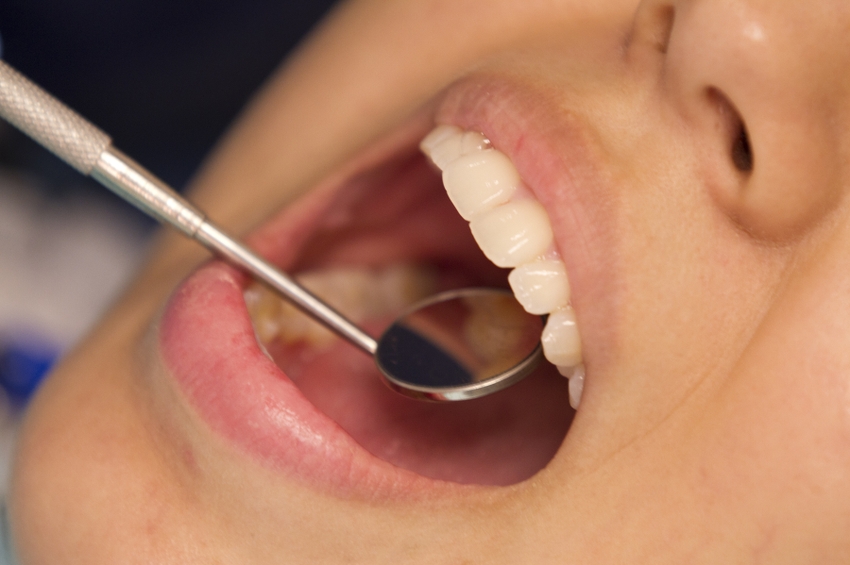
Bacteria from gum disease may cause inflammation, harden heart valves
Preliminary research presented at AHA Basic Cardiovascular Sciences 2026 identified a potential mechanistic link between Porphyromonas gingivalis bacteria from periodontal disease and calcific aortic valve stenosis (CAVS) through calcium deposition in aortic valve tissue. The lab study used mouse and human cardiac tissue to investigate the biological pathway connecting chronic gum infection to valve calcification.
Digest: This early-stage research suggests periodontal disease treatment could represent a novel preventive strategy for CAVS, a condition with no current pharmacologic therapies to prevent or slow progression prior to requiring valve replacement.
Medtronic recalls heart valve delivery system due to safety risk
Medtronic has issued a recall of a heart valve delivery system due to an identified safety risk. Specific details regarding the affected device model, nature of the safety concern, patient impact, and scope of the recall were not provided in the available content.
Digest: Device recalls can impact procedural planning and inventory management for structural heart programs, and may signal potential adverse events requiring vigilance in patients who received the affected system.
Cardiologists highlight early success with leaflet modification device for valve-in-valve TAVR
Cardiologists report early favorable outcomes using a leaflet modification device to facilitate valve-in-valve TAVR procedures. The device appears to address challenges associated with coronary obstruction risk during ViV-TAVR interventions.
Digest: Leaflet modification techniques may expand treatment options for patients with failed surgical bioprostheses by reducing coronary obstruction risk, a major limitation of valve-in-valve TAVR.
Advancing Quality in the Evaluation, Surveillance, and Management of Aortic Stenosis: A Report From the AHA Target: AS Registry
The American Heart Association published a report from the Target: AS Registry examining quality metrics for evaluation, surveillance, and management of aortic stenosis patients. The registry aims to establish benchmarks and identify gaps in AS care delivery across participating centers.
Digest: This AHA registry provides standardized quality measures that can guide institutional protocols for AS patient management and inform appropriate timing for intervention referrals.
EARLY TAVR update: New data highlight continued benefits of treating asymptomatic aortic stenosis
New follow-up data from the EARLY TAVR trial demonstrate continued clinical benefits of transcatheter aortic valve replacement in patients with asymptomatic severe aortic stenosis. The updated results reinforce the safety and efficacy of early intervention before symptom onset in this patient population.
Digest: These findings support expanding TAVR utilization to asymptomatic patients with severe AS, potentially shifting treatment paradigms and increasing the addressable patient population for structural heart programs.
TAVR with Edwards Lifesciences valve for severe AR linked to ‘encouraging’ data
Transcatheter aortic valve replacement using an Edwards Lifesciences valve system demonstrated encouraging outcomes in patients with severe aortic regurgitation. The data suggest TAVR may be a viable treatment option for this traditionally surgical patient population.
Digest: Severe AR has been a relative contraindication for TAVR due to anatomical challenges, and positive data could expand the treatment population and market for Edwards' valve technology.
Sex-specific outcomes after TAVR and SAVR: Key takeaways from a new meta-analysis
A new meta-analysis examined sex-specific outcomes in patients undergoing transcatheter aortic valve replacement (TAVR) versus surgical aortic valve replacement (SAVR). The analysis revealed differential outcomes between male and female patients across the two treatment modalities.
Digest: Understanding sex-based differences in TAVR and SAVR outcomes can inform patient selection, procedural planning, and shared decision-making for aortic stenosis treatment.
A Slow Regular Rhythm After TAVR: A Clinical Reasoning Exercise
This clinical reasoning exercise presents a case of slow regular rhythm developing after transcatheter aortic valve replacement (TAVR). The article appears to be an educational case discussion focusing on the differential diagnosis and management of bradycardia post-TAVR.
Digest: Conduction abnormalities requiring pacemaker implantation remain a significant complication of TAVR, affecting clinical outcomes and resource utilization in structural heart programs.
Cardiologists and surgeons share early feedback after CMS proposed sweeping TAVR changes
CMS proposed significant policy changes affecting TAVR reimbursement and coverage, prompting responses from interventional cardiologists and cardiac surgeons. The clinical and financial implications of these proposed modifications are being evaluated by the structural heart community.
Digest: CMS reimbursement policy directly impacts TAVR program sustainability, patient access, and the economic viability of structural heart programs nationwide.
CMS proposes major TAVR changes, including Medicare coverage for asymptomatic patients
CMS has proposed expanding Medicare coverage for transcatheter aortic valve replacement (TAVR) to include asymptomatic patients with severe aortic stenosis. This represents a significant policy shift from current coverage criteria that require symptomatic presentation.
Digest: Expansion of Medicare coverage to asymptomatic severe AS patients could substantially increase the eligible TAVR population and accelerate treatment timing, potentially preventing symptom development and improving outcomes.

Self-expanding TAVR valve helps patients with small aortic annuli
The SMART trial's 3-year results showed that self-expanding supra-annular TAVR valves (Evolut platform, Medtronic) demonstrated superior hemodynamics and less thrombosis compared to balloon-expandable valves (Sapien platform, Edwards Lifesciences) in patients with small aortic annuli (≤430 mm²). There was no difference in the composite clinical endpoint of mortality, disabling stroke, or heart failure rehospitalization between groups (self-expanding 25.4% vs balloon-expandable 22.6%; HR 1.13, 95% CI 0.83-1.53, P=0.44).
Digest: These extended follow-up data support the use of self-expanding supra-annular valves for improved hemodynamic performance in small annuli patients, particularly relevant for lower-risk and younger TAVR candidates where long-term valve function is critical.
Redo TAVR with balloon-expandable valves linked to positive outcomes, key improvements
A study demonstrates that redo transcatheter aortic valve replacement using balloon-expandable valves is associated with favorable clinical outcomes and key procedural improvements. The findings support the safety and efficacy of repeat TAVR procedures in patients with failed bioprosthetic valves.
Digest: As the TAVR population ages and device durability becomes critical, establishing safety profiles for redo TAVR with specific valve platforms helps guide treatment decisions for structural valve degeneration.

Death after TAVR: New data support use of better patient assessments
A European registry of over 11,000 TAVR patients found that 4% died between 30 days and one year post-procedure despite uncomplicated courses, with 3.3% from non-cardiovascular causes. Independent predictors of delayed mortality included atrial fibrillation, COPD, severe chronic kidney disease, and reduced LVEF.
Digest: These findings emphasize the need for comprehensive multidisciplinary patient assessment beyond cardiac evaluation to identify patients at risk for futile TAVR interventions, particularly focusing on pulmonary and renal comorbidities that drive non-cardiovascular mortality.
TAVR concerns: Cardiologists, patient family members question quality of care at rural hospital
Cardiologists and patient family members have raised concerns about quality of care related to TAVR procedures at an unspecified rural hospital. Details regarding specific adverse events, procedural volumes, or outcomes data were not provided in the available content.
Digest: Quality concerns at low-volume rural TAVR centers may prompt scrutiny of procedural volume requirements and certification standards for transcatheter valve programs.
How to evaluate risk when TAVR patients require surgery later in life
Article discusses risk assessment strategies for patients who previously underwent TAVR and subsequently require non-cardiac or cardiac surgical procedures. Clinical considerations include evaluating perioperative risk in the context of existing bioprosthetic valves and potential complications.
Digest: As TAVR expands to younger, lower-risk populations, understanding how to manage these patients when they need subsequent surgical interventions becomes increasingly important for procedural planning and risk stratification.
SAPT after TAVR linked to key benefits over DAPT, new data confirm
New data confirm that single antiplatelet therapy (SAPT) after transcatheter aortic valve replacement demonstrates key clinical benefits compared to dual antiplatelet therapy (DAPT). The findings support a streamlined antithrombotic strategy that may reduce bleeding complications while maintaining efficacy.
Digest: This evidence could influence anticoagulation management protocols post-TAVR, potentially reducing bleeding risk and healthcare costs while simplifying patient management for the growing TAVR population.
Conduction system pacing after TAVR linked to improved outcomes in new meta-analysis
A new meta-analysis demonstrates that conduction system pacing following transcatheter aortic valve replacement is associated with improved clinical outcomes compared to conventional right ventricular pacing. The analysis suggests conduction system pacing may be a preferred pacing strategy for TAVR patients requiring permanent pacemaker implantation.
Digest: This finding could influence pacing strategy selection in the significant proportion of TAVR patients who develop conduction abnormalities requiring permanent pacemaker, potentially reducing long-term morbidity associated with right ventricular pacing.
PRMT3-Mediated Arginine Methylation Stabilizes PCSK9 to Promote Aortic Valve Calcification
Preclinical study identifies PRMT3-mediated arginine methylation as a mechanism that stabilizes PCSK9 protein, promoting calcification in aortic valve tissue. The findings suggest a novel molecular pathway involving post-translational modification that may contribute to calcific aortic valve disease progression.
Digest: Understanding PCSK9's role in valve calcification could inform future therapeutic strategies to slow or prevent calcific aortic stenosis, potentially reducing the need for surgical or transcatheter valve replacement.
How TAVR valve implant depth impacts clinical outcomes
TAVR valve implant depth significantly influences post-procedural outcomes including paravalvular leak, conduction abnormalities requiring permanent pacemaker, and coronary obstruction risk. Optimal implantation depth varies by valve platform, with higher implantation generally associated with reduced paravalvular regurgitation but increased pacemaker rates, while deeper implantation may increase coronary occlusion risk particularly in valve-in-valve procedures.
Digest: Precise implant depth optimization is a modifiable procedural factor that directly impacts major TAVR complications and may influence valve selection and procedural planning across risk stratifications.
Advocacy group wants TAVR changes, urging Trump admin to ‘stop getting in between patients and their doctors’
An advocacy group is calling on the Trump administration to change regulations or policies affecting transcatheter aortic valve replacement (TAVR) access, framing the issue as government interference in clinical decision-making. No specific policy changes, clinical data, or patient access barriers are detailed in the available content.
Digest: Potential regulatory or reimbursement policy changes could significantly impact TAVR utilization patterns and patient access, though the specific issues being advocated remain unclear from this brief report.
SMART update: Self-expanding TAVR valves still linked to superior durability after 3 years
Three-year follow-up data from the SMART trial continues to demonstrate superior structural valve deterioration outcomes for self-expanding TAVR valves compared to balloon-expandable systems. The durability advantage of self-expanding valves persisted at the 3-year time point.
Digest: This extends evidence supporting differential long-term durability between TAVR platform designs, which is critical for valve selection decisions particularly in younger, lower-risk patients where long-term performance drives clinical and economic outcomes.